Lawn Care in Covent Garden: Practical, Local, and Beautiful Results
Why lawn care in Covent Garden needs a tailored approach

Lawn care in Covent Garden is unlike lawn care in a suburban garden with wide borders and open sky. The area is known for its busy streets, historic buildings, terrace homes, courtyards, rooftop spaces, and compact green areas. That means every lawn care plan has to account for limited space, changing light, foot traffic, pollution, and the unique microclimate created by surrounding structures.
Many people assume that a small lawn is easier to manage, but in central London, small lawns often need more attention. Shade from nearby buildings, reflected heat from stone and glass, and reduced airflow can all affect turf health. Add in occasional heavy use from residents or visitors, and the result is a lawn that can quickly become patchy, thin, or dull if it is not maintained properly.
That is why lawn care in Covent Garden should focus on consistent upkeep, smart seasonal timing, and practical solutions that fit urban living. Whether the space is a private courtyard, a communal garden, or a small decorative patch of grass, the right routine can keep it green, resilient, and attractive throughout the year.
Understanding local conditions and their impact on grass

Covent Garden presents several conditions that affect grass growth. One of the biggest is shade. Tall surrounding buildings can reduce direct sunlight for much of the day, especially in narrow courtyards and enclosed spaces. Grass needs light to thrive, so choosing the right turf type becomes essential.
Another challenge is airflow. In tightly enclosed spaces, grass can remain damp for longer after rain or watering. This encourages fungal issues, moss growth, and compacted soil. A good lawn care in Covent Garden plan should therefore include aeration, drainage checks, and careful watering rather than frequent, shallow watering.
Soil quality also matters. Urban soils may be compacted, thin, or mixed with construction debris, making it harder for roots to spread. Healthy lawn maintenance in Covent Garden often begins below the surface, with soil improvement, topdressing, and feeding that support stronger root systems.
Choosing the right grass type for urban gardens
Not every grass variety performs well in central London settings. For lawn care in Covent Garden, it is wise to select grass that can handle partial shade, occasional wear, and variable moisture levels. Fine fescues, perennial ryegrass, and blended shade-tolerant seed mixes are often used because they adapt better to the local environment.
When choosing seed or turf, consider:
- How much direct sunlight the lawn receives each day
- Whether the area is used regularly for seating or walking
- How quickly the area dries after rain
- Whether roots have enough room to establish
In some cases, a traditional lawn may not be the most practical choice. A partial lawn with edging, ground cover, or ornamental planting can reduce stress while still delivering a polished appearance. Even then, good lawn care in Covent Garden can keep the turf sections tidy, healthy, and visually balanced.
Seasonal lawn care in Covent Garden: what to do all year

Successful lawn care in Covent Garden depends on seasonal planning. Grass grows differently across spring, summer, autumn, and winter, and each season calls for different tasks. Urban lawns are especially sensitive to timing because they have less margin for error than larger open spaces.
In spring, the goal is recovery. Winter damage, moss, and compacted soil often show up as the weather warms. Raking away debris, applying a suitable feed, and repairing thin areas can restore colour and density. Spring is also a strong time for overseeding because temperatures support germination without the stress of summer heat.
Summer lawn care in Covent Garden should focus on stress reduction. That means mowing carefully, watering deeply but less often, and avoiding aggressive feeding during heatwaves. In autumn, the emphasis shifts toward strengthening the turf for colder weather. Aeration, scarifying, and autumn fertiliser all support root health before winter arrives.
Spring: encouraging strong growth
Spring is the best season to give a tired lawn a fresh start. Start by clearing leaves, twigs, and any winter build-up. Then inspect the lawn for bare patches, moss, and drainage issues. If the lawn feels spongy or looks uneven, it may benefit from scarifying or light aeration.
Key spring lawn care tasks include:
- Raking away dead grass and debris
- Overseeding weak or bare areas
- Applying a balanced spring feed
- Repairing worn paths and edges
- Setting the mower to a slightly higher cutting height
Spring lawn care in Covent Garden should be steady rather than rushed. Strong growth can be encouraged without forcing it. That approach helps the lawn develop density and resilience, which reduces problems later in the year.
Summer: protecting the lawn from heat and use
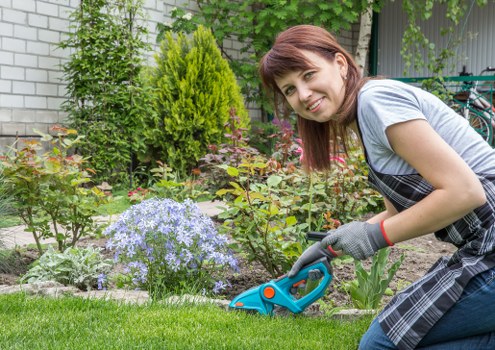
Summer can be challenging for lawn care in Covent Garden, especially in courtyards and enclosed spaces where heat is reflected from walls and paving. Grass under stress may turn pale, stop growing properly, or develop dry patches. If the lawn is also used for social areas or outdoor seating, wear becomes another factor.
Mowing should be less frequent but still regular. Cutting too short in summer exposes the crown of the grass and makes it more vulnerable. A slightly higher mowing height helps the lawn retain moisture and shade its roots. Watering should be done early in the morning or later in the evening, and it is better to water thoroughly than a little at a time.
Practical summer tips for lawn care in Covent Garden:
- Avoid cutting more than one-third of the grass height at once
- Move seating or furniture occasionally to reduce bald spots
- Water deeply during dry spells rather than daily light watering
- Watch for signs of stress, such as wilting, colour loss, or thinning
Mowing, feeding, watering, and edging done right
Good lawn care in Covent Garden is built on four everyday tasks: mowing, feeding, watering, and edging. Each one affects how the lawn looks and how well it survives in an urban environment. When these tasks are done correctly and consistently, even a small lawn can look exceptionally neat.
Mowing should be consistent but not harsh. The best mowing height depends on the grass type and season, but in shaded urban spaces, slightly longer grass often performs better because it can capture more light. Clean mower blades are important too, because torn grass tips can become brown and increase disease risk.
Feeding should match the season and the lawn’s needs. Spring fertilisers support recovery and growth, while autumn feeds are usually designed to strengthen roots rather than produce a flush of top growth. A balanced feeding plan is a key part of lawn care in Covent Garden because urban lawns often need extra support from the soil upward.
Watering and edging for a neat finish
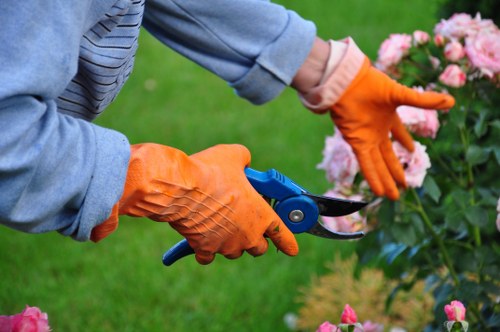
Watering should be done with care. Overwatering can be just as damaging as drought, particularly where drainage is limited. It is better to encourage roots to grow deeper with less frequent but more thorough watering. This improves drought tolerance and reduces shallow-rooted weak turf.
Edging gives a lawn a crisp, finished appearance. In Covent Garden, where outdoor areas are often compact and highly visible, neat borders make a major difference. Clean lines around paths, flower beds, and hard landscaping make the whole space feel more intentional and refined.
When combined, these tasks create the polished look that many property owners want. That is especially true for rental properties, hospitality venues, and private homes where presentation matters. Reliable lawn care in Covent Garden helps a small green space stand out for the right reasons.
Soil health, aeration, and moss control
Soil health is one of the most important but overlooked parts of lawn care in Covent Garden. Grass can only grow well if the roots have access to air, water, and nutrients. In compact urban settings, soil is often compressed by foot traffic or construction history, which limits root development.
Aeration helps by creating small holes in the soil so air and water can reach the root zone. For compacted lawns, this can make a noticeable difference in growth and drainage. Hollow-tine aeration may be useful where compaction is more severe, while light spiking can help smaller areas.
Moss is another common issue. It thrives in shade, dampness, and poor drainage, all of which can appear in central London gardens. Moss control should not rely only on removal; it should also address the cause. That means improving light where possible, reducing excess moisture, and feeding the grass so it can compete more effectively.
Scarifying and overseeding for thicker turf
Scarifying removes thatch, moss, and dead grass from the surface layer. In lawn care in Covent Garden, this is useful where the turf has become dense with debris or where water is not penetrating properly. The process should be done carefully to avoid stressing the lawn too much.
After scarifying, overseeding helps thicken the lawn and fill gaps. Choosing the right seed mix matters because urban lawns often need grass that can tolerate shade and light wear. Overseeding works best when followed by gentle watering and limited foot traffic until the new seed is established.
Benefits of scarifying and overseeding include:
- Improved turf density
- Better resistance to moss and weeds
- Enhanced surface drainage
- A more even, attractive finish
Weed control and lawn recovery strategies
Weeds can quickly spoil the appearance of a well-kept lawn. In Covent Garden, common lawn weeds may include dandelions, clover, plantain, and chickweed. They compete with grass for nutrients, light, and moisture, so they should be managed before they spread.
For lawn care in Covent Garden, weed control works best when it is preventive as well as corrective. A thick, healthy lawn is the most effective defence because dense turf naturally limits weed establishment. Hand removal, spot treatments, and targeted feeding can all help depending on the severity of the problem.
Recovery is just as important as control. If a lawn has become thin after summer stress, heavy use, or winter damage, it may need a phased repair plan. That can include soil improvement, overseeding, feeding, and temporary protection from traffic. Patience matters because healthy turf is built over time, not overnight.
Common mistakes to avoid
Many lawn issues in Covent Garden come from well-intentioned but poorly timed care. One common mistake is mowing too short, which weakens the grass and makes it more vulnerable to drought and damage. Another is watering too often but too lightly, which encourages shallow roots.
Avoid these frequent errors:
- Cutting wet grass too aggressively
- Ignoring compacted soil
- Using the wrong fertiliser for the season
- Leaving moss and thatch untreated
- Allowing heavy foot traffic on newly seeded areas
The right lawn care in Covent Garden approach is measured, consistent, and responsive to conditions. Small adjustments can prevent larger problems later, saving both time and effort.
Professional lawn care in Covent Garden for homes and businesses
Some lawns are easy to manage with regular DIY maintenance, but many central London spaces benefit from professional support. A professional lawn care in Covent Garden service can assess turf condition, soil health, drainage, sunlight, and seasonal needs to create a plan that suits the property.
This is especially useful for busy households, landlords, managed properties, and hospitality venues. These spaces often need reliable presentation with minimal disruption. Professional care can include scheduled mowing, feeding, scarifying, moss control, edging, turf repair, and seasonal treatment plans.
Why many property owners choose professional help:
- Saves time and reduces maintenance stress
- Improves consistency and lawn quality
- Helps address hard-to-fix problems like compaction and poor drainage
- Supports a tidy, welcoming outdoor appearance
How to keep a small Covent Garden lawn looking its best
Small lawns can make a big impact when they are maintained well. In a place like Covent Garden, a neat lawn often feels like a luxury because outdoor space is limited. That is why even simple habits can make a large difference.
Regular observation is one of the most useful habits. Check for colour changes, dry patches, moss, weeds, and signs of compaction. The earlier you notice a problem, the easier it is to fix. Consistency is also important. A lawn that is watered, trimmed, and fed on a sensible schedule will usually outperform one that is left to chance.
Simple habits for better lawn care in Covent Garden:
- Inspect the lawn weekly during the growing season
- Adjust mowing height by season
- Keep edges trimmed for a finished look
- Feed and overseed when needed
- Protect stressed areas from unnecessary traffic
If you want a lawn that complements your property and stays attractive through the seasons, now is the time to act. Book your service now and give your outdoor space the care it deserves. Contact us today to keep your lawn in top condition with a plan designed for Covent Garden.
Final thoughts on lawn care in Covent Garden
Lawn care in Covent Garden is about more than simply keeping grass short. It is about understanding the setting, working with the conditions, and using the right techniques to keep turf healthy in a challenging urban environment. From shade and soil compaction to seasonal stress and visual presentation, every detail matters.
With the right approach, even a small lawn can become a green, welcoming feature that adds value and charm to a property. Whether you are focused on recovery, ongoing maintenance, or improving an underperforming lawn, the key is to stay consistent and responsive. Good lawn care in Covent Garden combines practical maintenance with thoughtful timing, giving your grass the best chance to thrive.
By prioritising mowing, watering, feeding, aeration, and weed control, you can create a lawn that looks fresh and performs well all year. In a vibrant and highly visible area like Covent Garden, that level of care makes all the difference.

